
Refined Ways to Incorporate Natural Wood Accents in Interior Design
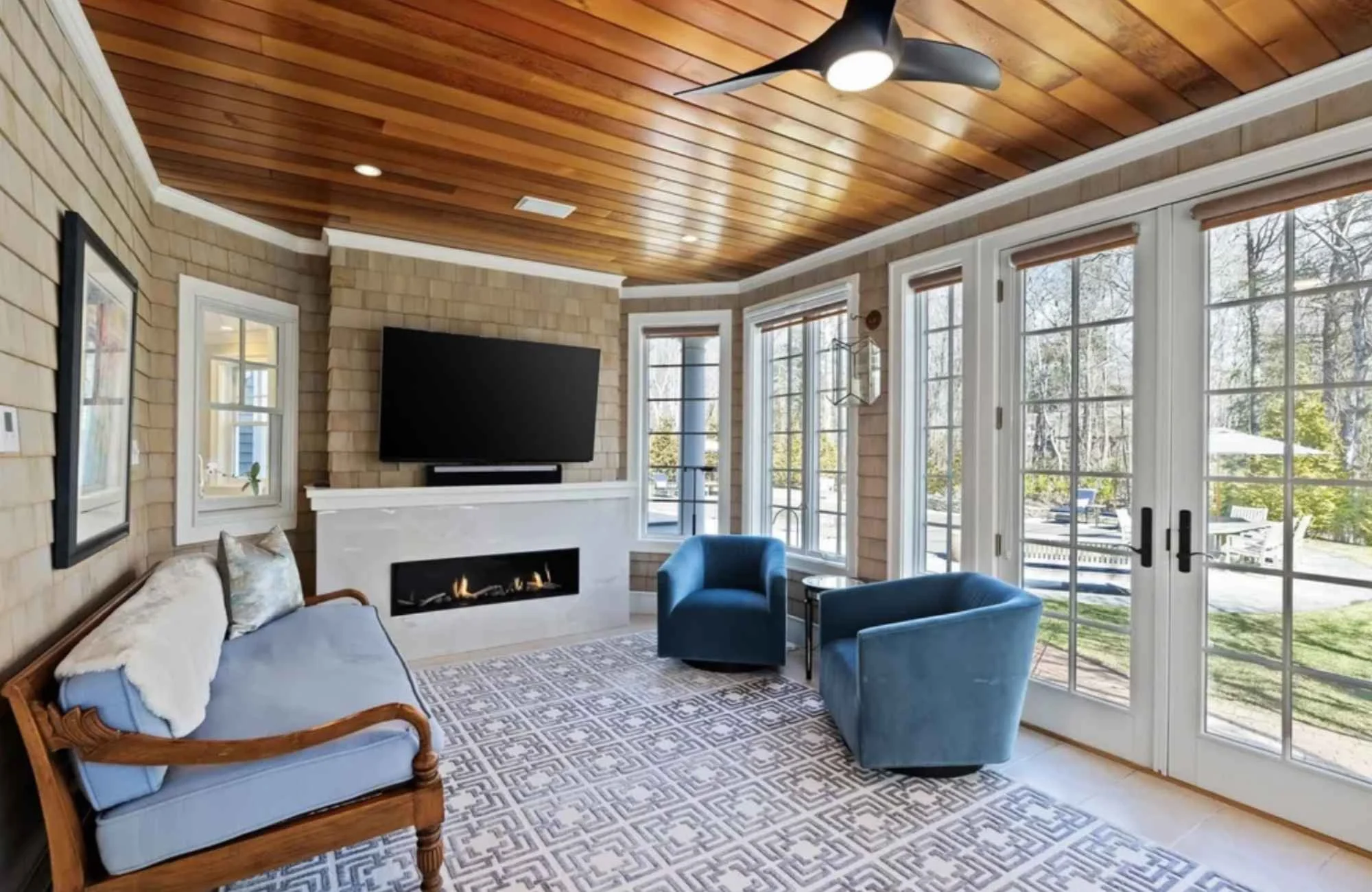
Bringing natural wood accents into your home is more than just a design choice—it's a way to infuse warmth, character, and timeless elegance into your living spaces. Yet, many homeowners feel uncertain about how to blend wood elements seamlessly with modern interiors without overwhelming the space or veering into cliché.
From my experience at Ironwood Studio, one of the most rewarding approaches has been incorporating reclaimed rustic timbers into new build homes, adding a touch of history and authenticity that new materials alone simply can't replicate.
Designing with Intention: The Beauty of Reclaimed Wood
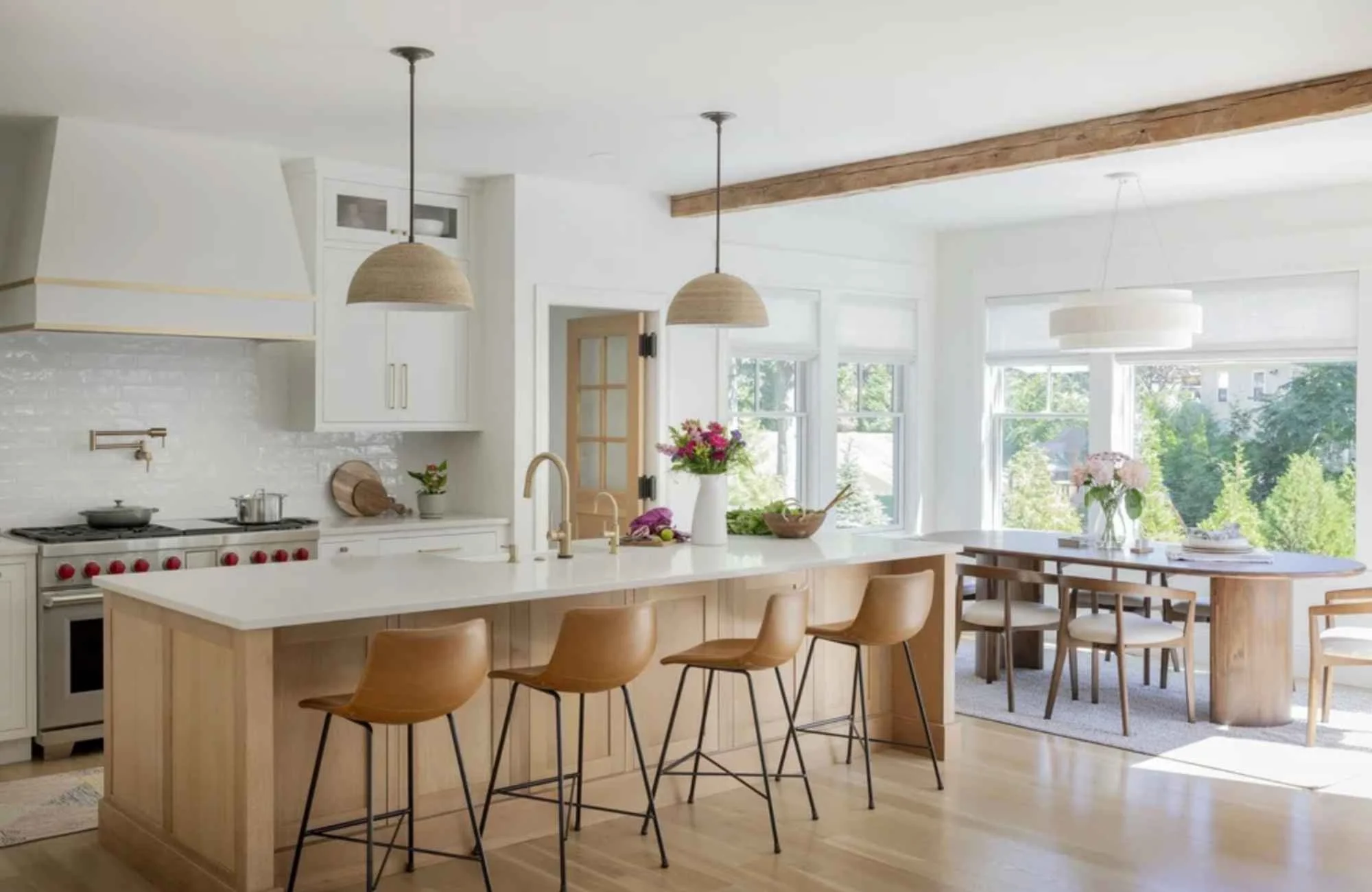
When working with wood accents, the key is balance and intention. For example, in several new build projects, like our Barrington New Build project below, we intentionally chose reclaimed wood not only for its aesthetic appeal but also for its story and sustainability. This choice meant avoiding overly polished or uniform wood finishes that can feel cold or impersonal. Instead, the natural imperfections and textures of reclaimed timbers bring a unique warmth and depth that elevate the entire design.
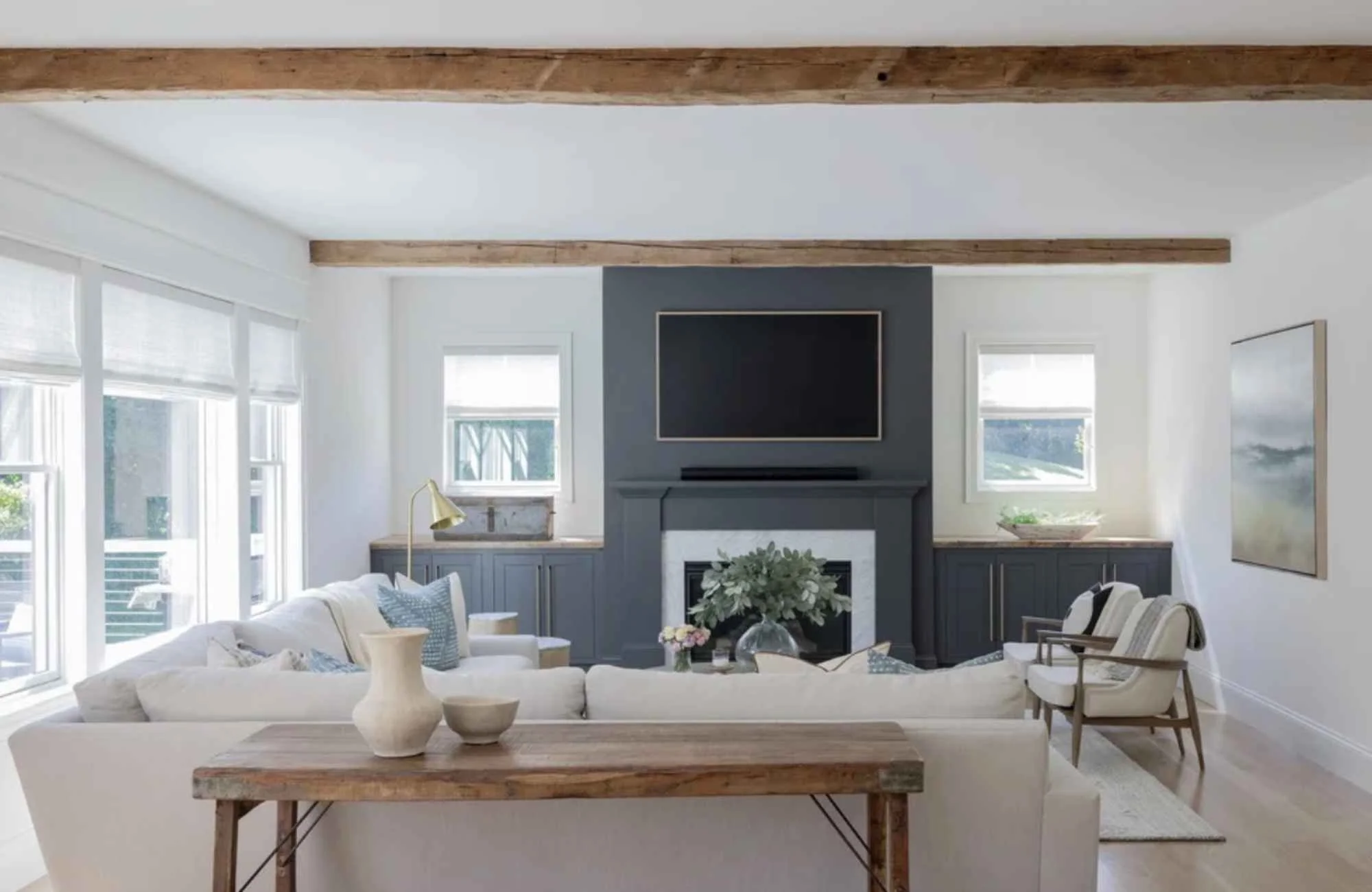
Timber as an Architectural Focal Point
Wood accents serve as architectural anchors that ground a room. Whether it’s a statement wall, exposed ceiling beams, or custom mantels, these elements create focal points that draw the eye and invite touch. In our projects, we often use reclaimed wood for these features because it carries a narrative—each knot and weathered mark tells a story, connecting the home to a broader sense of place and time.
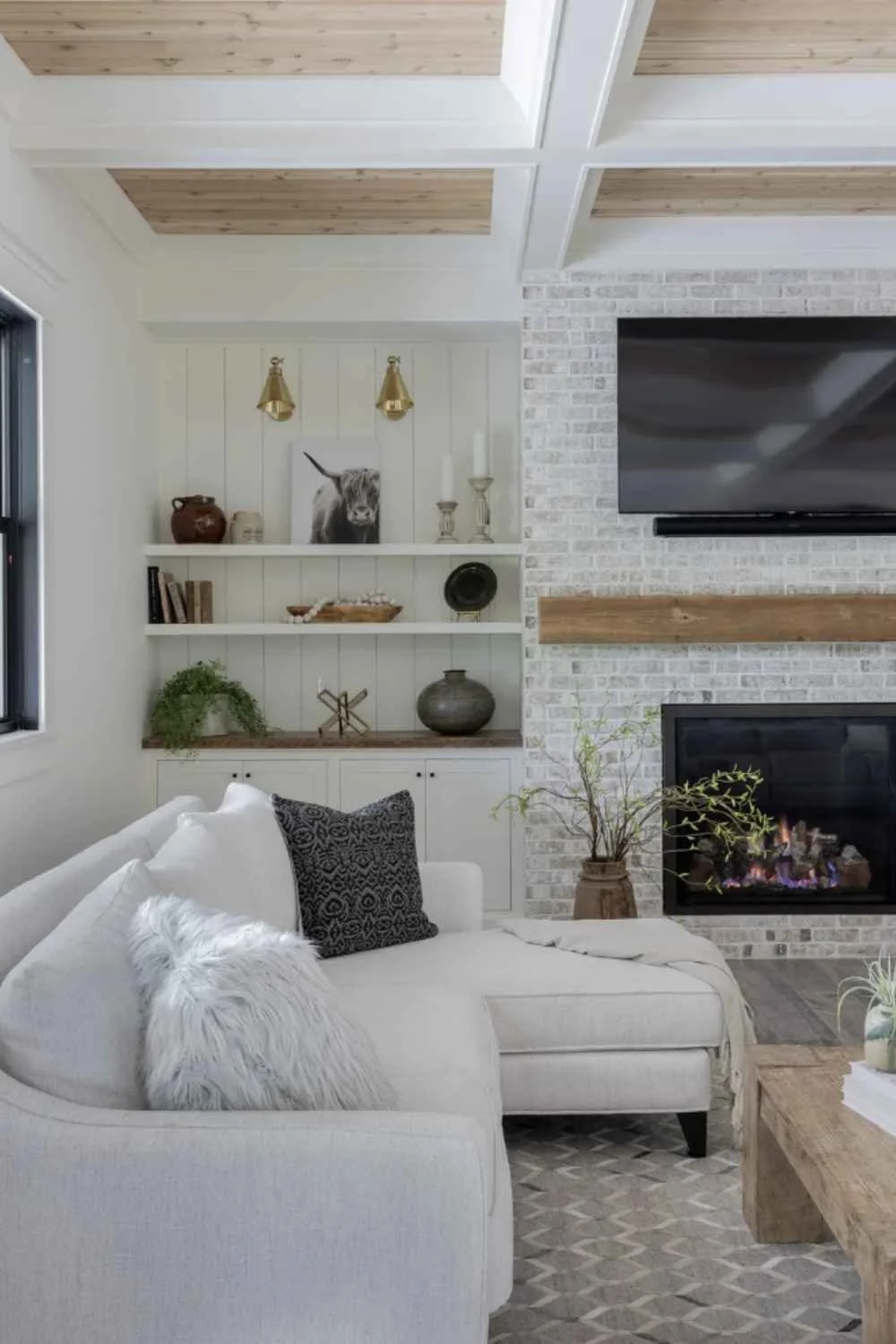
Functional Wood Surfaces that Add Character
Beyond aesthetics, wood accents can be highly functional. Mudroom benchtops, laundry counters, and built-in shelving crafted from natural wood marry utility with beauty. Choosing reclaimed or sustainably sourced wood for these surfaces adds character while supporting eco-friendly design principles. The tactile quality of wood also makes everyday tasks feel more connected to nature, enhancing the home’s livability.
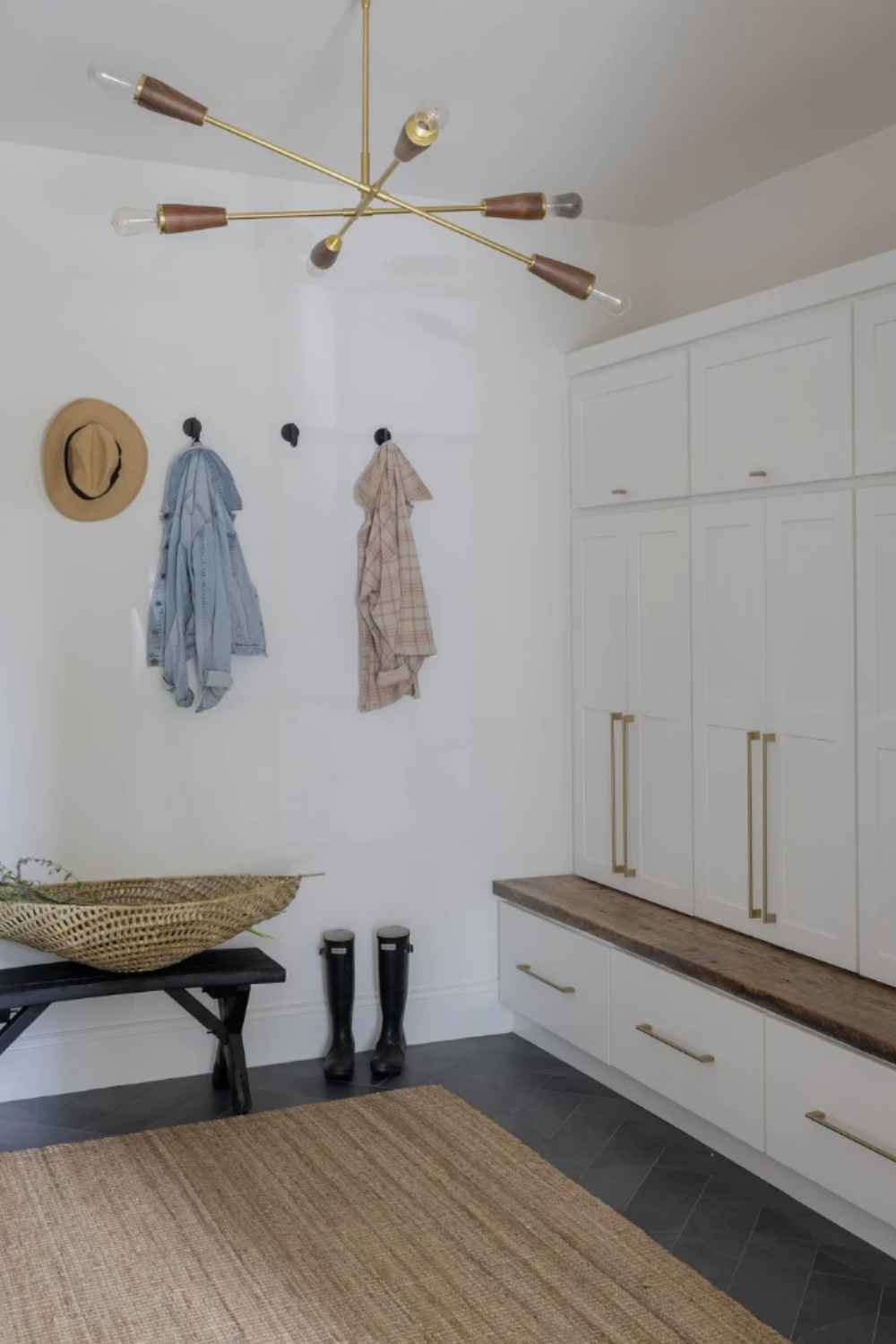
Layering Wood Tones for a Cohesive Interior
One of the subtle design decisions we make is how to layer wood accents throughout a home to create cohesion without monotony. This means mixing wood types, finishes, and scales thoughtfully.
For instance, pairing a rustic reclaimed timber mantel with sleek, modern wood cabinetry can create a dynamic contrast that feels both curated and inviting. The tradeoff here is simplicity—limiting the palette to two or three wood tones prevents visual clutter and maintains elegance.
Key Principles for Incorporating Natural Wood Accents
Prioritize authenticity: Choose wood with character and history, like reclaimed timbers, to add depth and warmth.
Balance function and form: Use wood accents that are both beautiful and practical to enhance everyday living.
Layer thoughtfully: Mix wood types and finishes with intention to create a cohesive and elegant interior.
Incorporating natural wood accents in interior design is a timeless way to elevate your home’s style and comfort. If you’re considering adding wood elements, think about how each piece can tell a story and serve a purpose, creating a space that feels both elegant and deeply personal.
If you’d like to explore how wood accents can transform your home, feel free to reach out. I’d love to help you bring warmth and character into your space with natural materials.
Warmly,
Virginia